

Managing Compliance Across Shopify Workflows
Inside the Shopify Invoice Journey
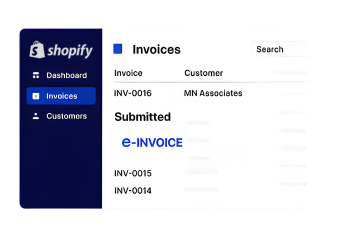
- Shopify Sales Data: Shopify provides transaction information required for downstream invoice preparation and financial processing activities.
- Commerce Record Screening: Commerce records are reviewed for essential information before entering the configured invoice workflow.
- Shopify Data Transformation: Shopify fields are converted into organized information suitable for structured digital invoice creation.
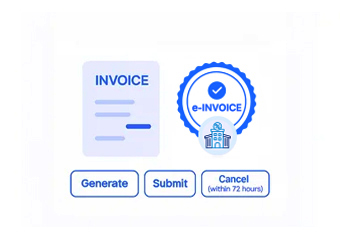
- Electronic Invoice Structuring: Prepared transaction data is assembled into documents designed for controlled electronic processing.
- Invoice Workflow Monitoring: Processing stages, validation results, exceptions, and transmission activity remain visible to authorized teams.
- Financial Record Handover: Completed invoice records become available for reconciliation, accounting review, and ongoing document administration.
How Advintek Links With Shopify
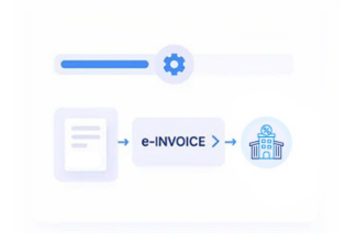
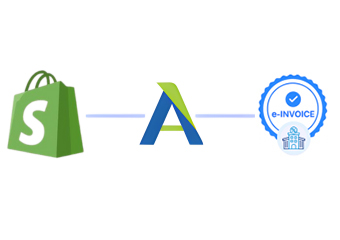
Advintek connects Shopify sales activity with electronic invoicing, allowing commerce records to flow into validation, invoice structuring, digital exchange, monitoring, and financial record workflows.
- Transfer Shopify orders into invoice processing
- Coordinate sales data with finance systems
- Validate transaction information before document creation
- Centralize completed invoices for accounting review
Stronger Invoicing Across Shopify Processes
- Order-Based Automation: Connected workflows transform Shopify transaction information into invoice records with fewer repetitive manual steps.
- Accurate Invoice Preparation: Structured data handling helps preserve important customer, product, tax, and transaction information.
- Controlled Data Movement: Defined connections provide greater consistency when commerce information travels between operational and financial systems.
- Fewer Processing Gaps: Validation stages can expose missing information before invoices reach subsequent digital processing steps.
- Connected Finance Operations: Shopify transactions can feed wider accounting workflows without requiring separate recreation of sales information.
- Adaptable Integration Architecture: Integration can support additional applications as businesses develop broader digital commerce and finance environments.
The Ireland E-Invoicing Solution Set
VAT Information Handling
Coordinate relevant Ireland VAT information alongside Shopify transaction data during invoice processing activities.
Digital Invoice Conversion
Transform commerce information into structured invoice records suitable for connected electronic processing workflows.
Invoice Event Tracking
Monitor processing stages, exceptions, transmission activity, and completed invoice outcomes across digital operations.
Shopify Billing Support for Ireland
Shopify merchants across Ireland can connect e-commerce transactions with invoice management, VAT information, accounting records, and structured digital workflows through an integrated operational framework.
- Connect Shopify sales with accounting workflows
- Align transaction records with Ireland invoicing
- Coordinate product details across finance operations
- Support digital records during reconciliation activities
Coordinate Shopify Data With Compliance
Connect Shopify with Advintek for reliable digital invoicing workflows aligned with Revenue.
Start coordinating commerce and finance operations today.
Ready e-Invoice System
Frequently Asked Questions Shopify E-Invoicing Ireland
Where does Shopify data enter the ERP invoice workflow?
Shopify can serve as the originating commerce platform while Advintek coordinates relevant sales information with the connected ERP or finance environment. Order identifiers, buyer details, product lines, tax information, and transaction values can be mapped into the configured e-invoicing workflow for structured invoice preparation and subsequent processing.
Which Shopify transactions can feed electronic invoice processing?
The integration can use transaction information generated through Shopify sales activity, including customer orders, billing details, product lines, quantities, pricing, taxes, and order references. Advintek can determine which fields are relevant to the configured workflow, helping businesses establish consistent data movement between ecommerce, ERP, and e-invoicing systems.
When should Shopify information be validated before invoice creation?
Validation can occur after relevant Shopify information enters the integration layer and before the structured invoice is finalized. Checking customer details, transaction values, tax information, and required invoice fields at this stage can help identify incomplete records before they continue into digital exchange or connected accounting processes.
Where can completed Shopify invoices be accessed by finance teams?
Completed invoice information can be routed into the connected financial or ERP environment according to the configured integration workflow. This gives finance teams a clearer record trail for reconciliation, accounting review, customer queries, and document administration instead of requiring them to reconstruct invoice information from separate Shopify transactions.
Which ERP processes benefit from connecting Shopify with Invoice Factory?
ERP processes involving order-to-invoice conversion, customer billing, VAT handling, reconciliation, document management, and financial reporting can benefit from connected Shopify data. Invoice Factory provides the intermediary workflow for preparing and processing invoice information, helping ecommerce transactions participate in broader enterprise finance operations without duplicating the original sales data.